Glazed and slip-painted pottery
Everyday tableware in regional motifs: dinner and side plates, deep bowls, milk jugs and handled cups. We say in every reply which pieces are for the table and which are glazed only for the wall.
A small Sibiu shop choosing painted pottery, woven runners, beeswax candles, clay whistles and carved spoons. Write to us and we answer with what is on the shelf, how it travels and what the post will cost.
A Romanian kitchen is full of small sounds and textures: a cherry-wood spoon knocking on the rim of a glazed bowl, a wool runner underfoot, the warm smell of a beeswax taper on a winter table, a clay whistle that a child fills with water and blows until it warbles. We started arranging our shelves that way, by what each object does to the person holding it, and the habit became the name. Five collections follow below, each edged with a woven border of the kind you see finishing the end of a runner.
ISight
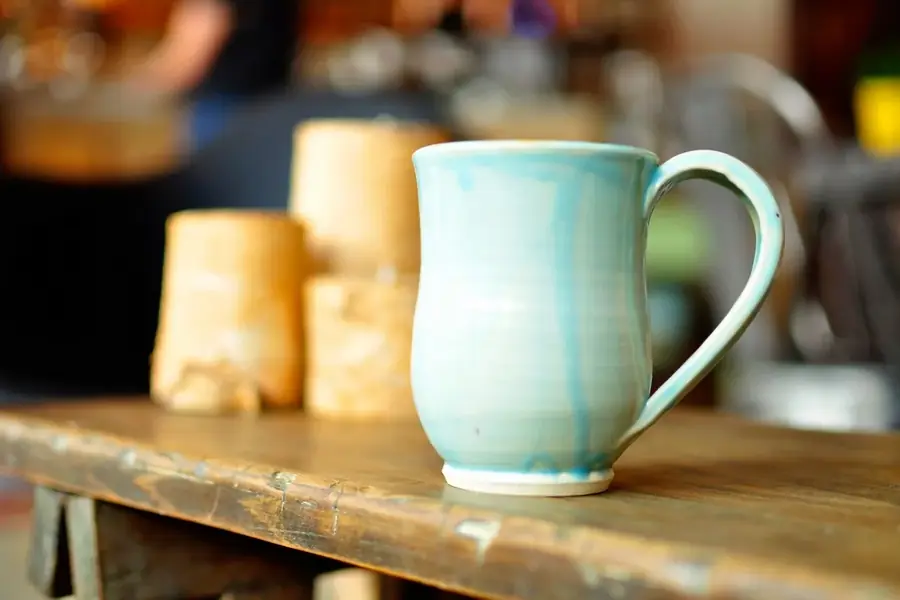
Plates, bowls, jugs and cups made from red terracotta, coated in a pale slip and painted with lines drawn from a cow horn, so each stroke is thin at one end and swelling at the other. The motifs are the old ones of village tableware: the spiral, the wheat ear, the tree of life, the cockerel at dawn. A clear glaze goes over the painting and the piece is fired a second time in the kiln, which is what deepens the colours.
Everyday tableware in regional motifs: dinner and side plates, deep bowls, milk jugs and handled cups. We say in every reply which pieces are for the table and which are glazed only for the wall.
IITouch
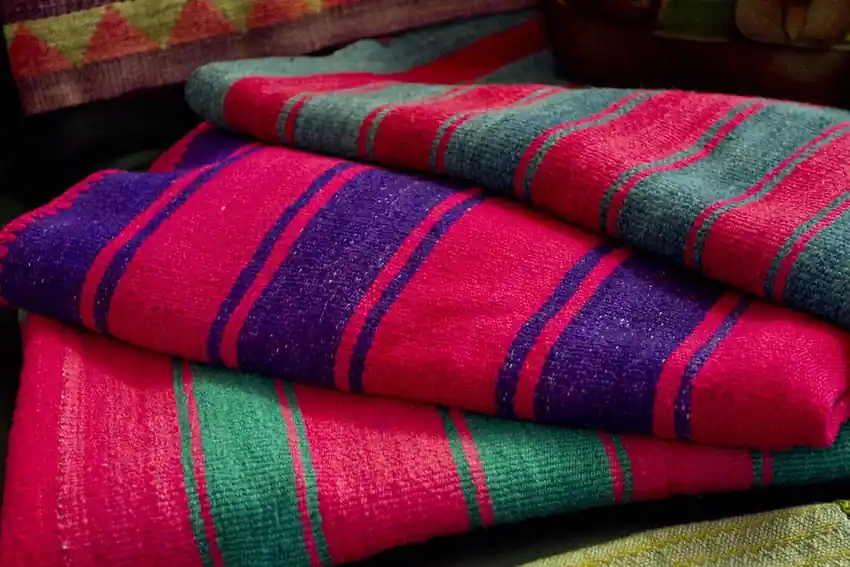
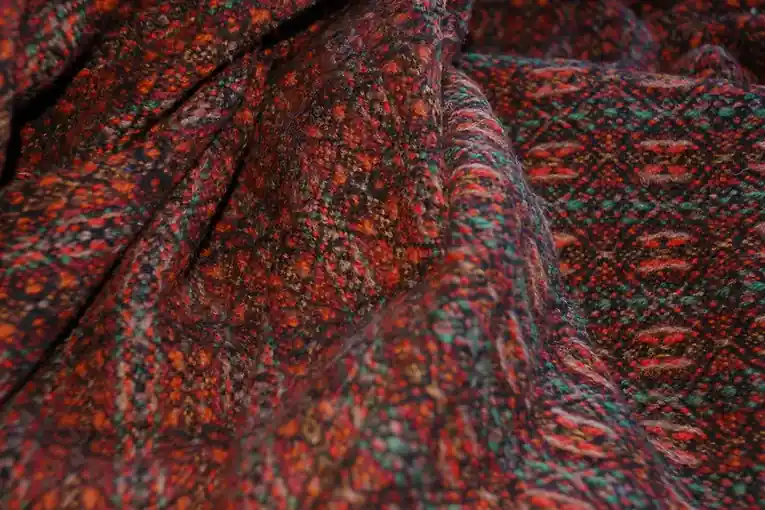
Wool runners and small rugs in the dense scoarță-style weave, where the weft is beaten so tightly that the warp disappears; cotton table runners and towels with a woven border band at each end and a knotted fringe. Wool is for the floor and the bench, cotton is for the table and the kitchen hook. Both are woven on a floor loom, one pick of weft at a time.
Wool runners and small rugs for hallways and bedsides, cotton runners for the table and towels with a coloured border. Every piece is measured before we reply, so you know its true length including the fringe.
IIIScent
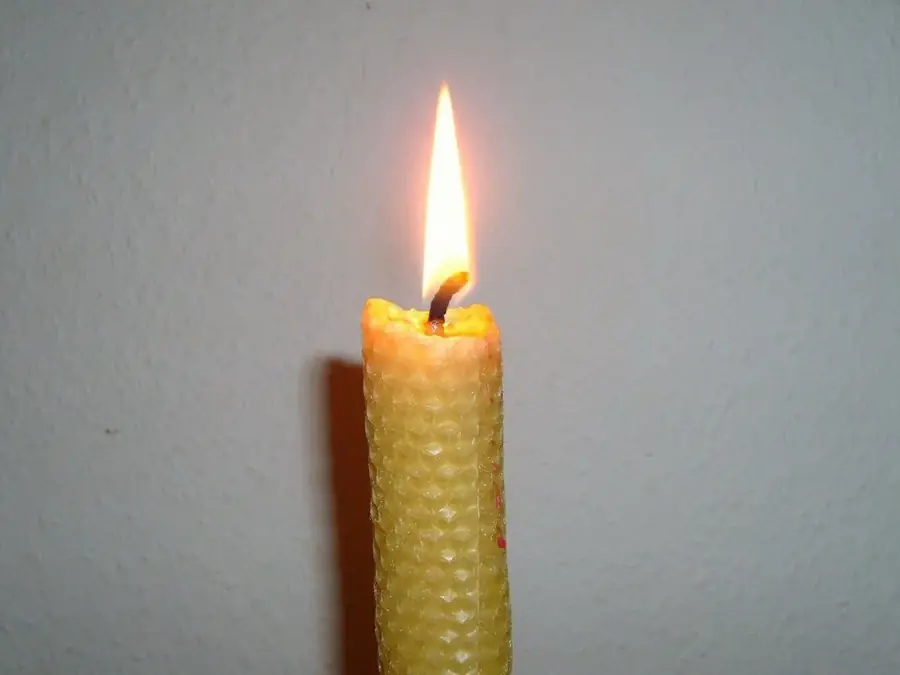
Candles made of beeswax and nothing else: some rolled from a sheet of honeycomb-pressed wax around a cotton wick, some dipped again and again into warm wax until a smooth taper builds up. Beeswax smells faintly of honey even before it is lit. Beside them sit dried lavender bundles, tied with cotton thread, for a drawer or a linen cupboard. We sell them for their scent and their light, and make no other claim for either.
Rolled candles, dipped tapers in pairs and short pillar candles, plus tied lavender bundles from the summer harvest. Candles are wrapped in paper so the wax does not scuff in the parcel.
IVSound
Small clay whistles shaped like birds, which warble when half filled with water; little clay bells with a clay clapper that ring softly rather than loudly; and sheep bells forged from sheet iron, hung on a woven strap. The forged bells have the low, slightly rough note you hear across a hillside at evening, and no two are tuned alike.
Bird whistles for a windowsill or a child old enough not to bite them, clay bells for a doorway, forged sheep bells for a garden gate or a porch beam.

VTaste
Taste is the one sense where we have to be plain: we sell no food, no honey and nothing to drink. What we sell is the table around them: carved wooden spoons, ladles, salad bowls and serving boards in beech, cherry and sycamore. Some pieces are carved with a knife and hook tool from green wood, others are turned on a lathe, and all of them are finished with food-grade oil rather than varnish.
Stirring spoons, ladles, small and large bowls, and boards for bread or cheese, each with the grain chosen so it will not split along its length.
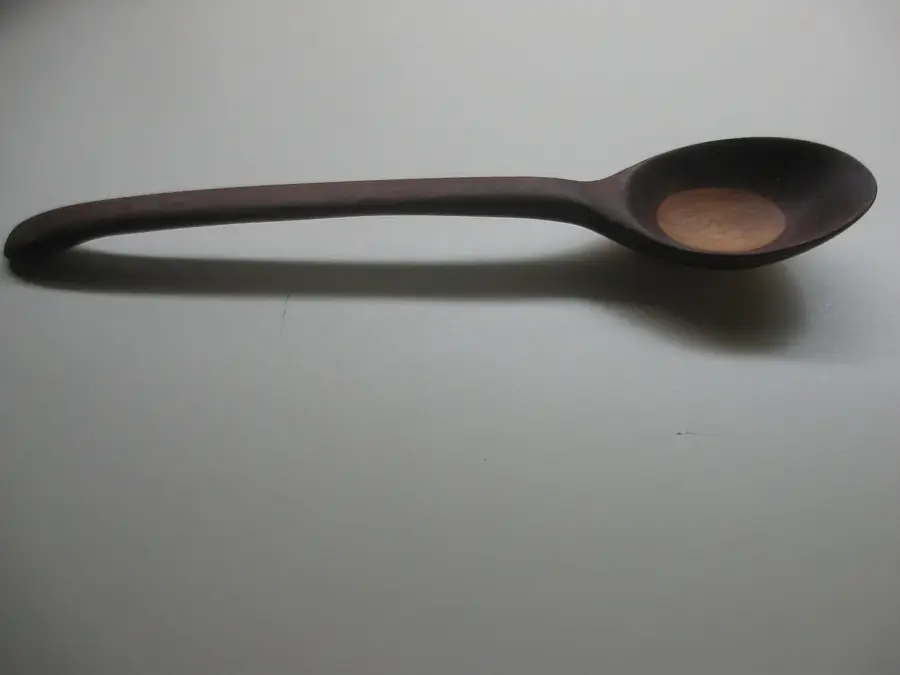
A small plate or cup, a cotton towel, a pair of beeswax tapers or a lavender bundle, a clay whistle or bell, and a wooden spoon, packed together in one box. Tell us who it is for and we will choose pieces that suit them, or you can pick each one yourself from the photographs we send.
We keep the shop small on purpose. The shelves in Sibiu hold what we have chosen from potters, weavers, chandlers, smiths and carvers across Romania, and stock changes with the seasons: lavender arrives after the summer cut, more candles are dipped as the evenings shorten, and a kiln firing can bring in a whole new run of plates at once. Because of that, we do not keep a fixed list online. Instead, an order starts with a letter.
What we value is plain: objects that are used every day and age well, honest descriptions that include the small flaws handwork brings, and packing that gets a jug across a continent in one piece. What we turn down is just as plain: commissions for personalised painting, antique dealing, and anything edible.
We answer with what is really on the shelf in Sibiu, with measurements and an honest note on any mark the hand left behind.
Send an order enquiryBy letter through the form, or directly to [email protected]. We read every message ourselves.
Monday to Friday, 9:00 to 17:00, and Saturday mornings, Sibiu time. Letters sent on a Sunday are answered on Monday.
The shop is in Sibiu, in the centre of Romania. We post within Romania, across the European Union and to the United Kingdom; for other countries we check the postal route first.